Before you look at fence companies near Lower Makefield Township you should learn about the process for getting a fence permit and the zoning rules regarding fences in Lower Makefield Township.
We try to keep this information up to date, but we do not represent Lower Makefield. Always check with the Township for the current requirements for fence permits.
How high can a fence be in Lower Makefield Township?
In Lower Makefield Township, the maximum permitted height for a fence depends on the zoning district and the specific location of the fence on the property (e.g., front yard vs. rear yard).
Residential Properties
- Front Yard: Fences in the front yard are restricted to a maximum height of 3 feet.
- Side and Rear Yards: Fences in the side and rear yards may have a maximum height of 7 feet.
- Corner Lots: On a corner lot, a fence located in the front yard to the side and rear of the house may be increased to 7 feet in height. However, this increase requires that the fence be set back from the right-of-way line by a distance of 3 feet for every 1 foot of height that exceeds the standard 3-foot limit.
- Tennis Courts: Fences surrounding a tennis court are permitted a maximum height of 10 feet.
Non-Residential Properties
- Fences on lots used for non-residential purposes (including HC, C-1, C-2, C-3, and O-R Districts) may be erected in the front, rear, or side yard with a maximum permitted height of 8 feet.
Special Locations and Restrictions
- Clear Sight Triangles: To ensure traffic safety, fences located within a clear sight triangle at street intersections or where driveways intersect streets are limited to a height of not more than 1.5 feet above street grade.
- Edgewood Village Historic District: For properties within this district, guidelines encourage a maximum height of 42 inches (3.5 feet) for hedges or open garden fences constructed along a sidewalk.
- Swimming Pools: Fences serving as pool barriers must be a minimum of 4 feet high.
- Floodplain Areas: Fences in identified floodplain areas must be constructed so they do not obstruct the flow of water; post and rail fences with wire mesh are permitted in these areas.
- Spite Fences: Fences erected to cut off light or air to an adjoining property, or erected of unsightly materials for annoyance, are prohibited.
What are the setback requirements for fences in Lower Makefield Township?
Under Lower Makefield Township regulations, fences generally do not have a specific numerical setback distance from property lines (except that they may not be on the line). Still, they are subject to strict prohibitions on rights-of-way and easements.
General Property Line and Location Requirements
- Property Lines: Fences shall not be placed directly on the property line.
- Rights-of-Way and Easements: No fence or wall may be located within any public right-of-way or easement, with the exception of a buffer easement,,,,.
- Floodplains: Fences located in identified floodplain areas must be constructed so they do not obstruct the flow of water (e.g., post and rail with wire mesh),.
Corner Lot Setbacks
For corner lots, fences located in the front yard to the side and rear of the house may be increased to a height of 7 feet (normally limited to 3 feet in front yards). However, to utilize this height increase, the fence must be set back from the right-of-way line by a distance of 3 feet for every 1 foot of height that the fence exceeds 3 feet,,.
Clear Sight Triangles
To ensure traffic safety, fences are effectively restricted within “clear sight triangles” because nothing over 1.5 feet high is permitted in these areas.
- Intersections: A clear sight triangle of 25 feet, measured along the right-of-way lines of intersecting streets.
- Driveways: A clear sight triangle of 15 feet, measured from the point of intersection of the street and the driveway/accessway.
Special Districts and Exceptions
- Historic District: Within the Historic District (including parts of H-C, C-1, R-2, and R-4), fences may be located 6 inches outside the existing legal right-of-way line, provided they do not interfere with the clear sight triangle of a private driveway or street intersection.
- Delaware Canal: While there is a general setback of 150 feet from the center line of the Delaware Division of the Pennsylvania Canal for most structures, wood fences (which may be lined with wire mesh) are permitted within this setback.
- Arterial and Collector Streets: While buildings face strict setbacks of 80 to 120 feet from these roads, fences on reverse frontage lots may be located closer to the right-of-way line than these standard special setbacks.
Swimming Pool Barriers
While the pool structure itself must be located at least 10 feet from the rear or side property lines,, the fence serving as the required barrier must completely surround the pool (or the entire property) and must meet specific construction standards, but the provided texts do not mandate a specific distance between the fence and the pool water.
What fence materials are allowed in Lower Makefield Township?
Based on the provided regulations for Lower Makefield Township, allowed fence materials vary significantly depending on the zoning district, the specific location on the property (e.g., near the canal, in a floodplain), and the intended use (e.g., swimming pool, historic district).
General Requirements
- Permit Application: For standard residential fences, the Township does not explicitly provide a comprehensive list of permitted materials in the general code. However, the zoning permit application requires applicants to specify the “proposed fence style and material” and provide photographs or manufacturer’s specifications for review.
- Prohibited Materials: “Spite fences” erected of “unsightly materials” for the purpose of annoyance are prohibited.
Location-Specific Material Restrictions
- Edgewood Village Historic District:
- Recommended: Traditional materials are encouraged, including wooden, iron, cast iron, vertical wood pickets, horizontal wood boards, or simple farm fences.
- Discouraged/Inappropriate: Plastic and aluminum are discouraged where viewed from the public right-of-way. Chain link fences are considered “not historically appropriate.”
- Delaware Canal Setback: Within the 150-foot setback from the center line of the Delaware Division of the Pennsylvania Canal, only wood fences are permitted. These may be lined with wire mesh,.
- Floodplain Areas: Fences in identified floodplains must not obstruct the flow of water. Consequently, the regulations specifically permit post and rail fences, which may be installed with wire mesh.
Use-Specific Material Requirements
- Swimming Pools: Fences serving as pool barriers must be of a “sturdy material”. The regulations specifically mention metal mesh (with openings less than 2 ¼ inches) and vertical baluster-style fences as acceptable types to prevent climbing.
- Amateur Radio Towers: Fencing surrounding ground-level towers shall be constructed of chain link, solid masonry, solid wooden, or picket (with spacing no greater than two inches).
- Deer Fencing: In a specific zoning appeal case, a variance was approved for an 8-foot deer fence constructed of wooden posts (5 to 6 inches in diameter) and black rigid wire mesh.
- Salvage Facilities: These facilities must be enclosed by a solid fence or wall.
- Buffer Yards: In specific buffer zones (e.g., separating nonresidential from residential uses), a solid board fence is often required to provide a visual screen. For preserved open space buffers, a split rail fence with turkey wire is required.
Do you need a permit to install or repair a fence in Lower Makefield Township?
Yes, a permit is required to install a fence in Lower Makefield Township. The specific type of permit and the documentation required depend on the height of the fence and the zoning district.
Permit Types
- Zoning Permit: Required for fences that are less than 7 feet in height.
- UCC Building Permit: Required for any fence that is 7 feet or greater in height.
- Historic District: If the property is located within the Edgewood Village Historic District, a Certificate of Appropriateness is required for any part of a structure (including fences) visible from the public way. Applications must be reviewed by the Historical Architectural Review Board (HARB).
Application Requirements
Applications must be submitted through the Township’s Online Permitting & Citizen Requests Portal. The submission must generally include:
- Site Plan/Grading Plan: This must show property boundaries, easements, natural resource restrictions, and the proposed fence location with setback dimensions from property lines.
- Fence Details: Proposed height, style, and material of the fence.
- Visuals: Photographs or manufacturer’s specifications of the proposed fence.
- HOA Approval: If applicable, Homeowners Association approval is required.
Fees
- Residential (Single Family): The fee for a zoning permit for a fence is $75.00.
- Non-Residential (Commercial/Other): The fee for a fence permit is $150.00.
Repair and Modification
While the sources explicitly state permits are required for “fences” and “structural modification”, they do not explicitly list minor repairs as exempt. Generally, a permit is always required for any structural modification to existing living space or structures.
Who issues fence permits in Lower Makefield Township?
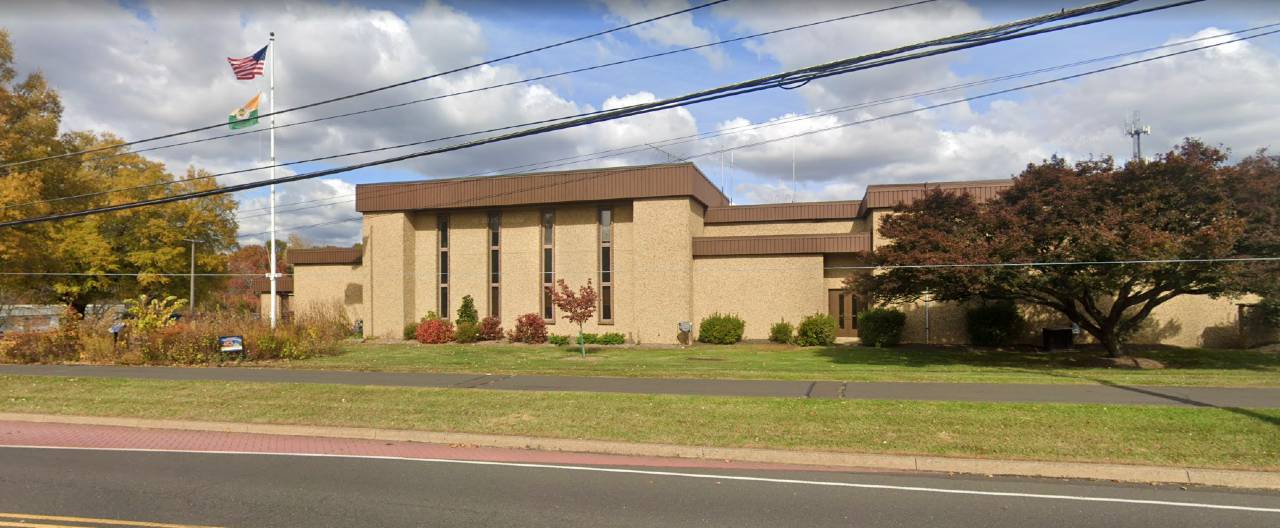
Fence permits in Lower Makefield Township are issued by the Zoning Officer within the Community Development Department (also referred to as Codes and Zoning).
Here are the specific details regarding who handles the process:
- Primary Issuer: The Zoning Officer is the municipal official designated to receive, examine, and issue zoning permits for construction and uses, including fences,,.
- Department: The Community Development Department manages the application process. Residents are directed to submit applications through the Township’s Online Permitting & Citizen Requests Portal,.
- Historic District: If the fence is located within the Edgewood Village Historic District, a Certificate of Appropriateness must be issued by the Board of Supervisors (following a review by the Historical Architectural Review Board) before the permit can be granted,,.
Contact Information
For Lower Makefield Township, zoning and fence permits are handled by the Community Development Department.
- Department: Community Development (Zoning & Codes)
- Address: 1100 Edgewood Road, Yardley, PA 19067
- Zoning Phone: (267) 274-1123
- Building Permits Phone: (267) 274-1126
- General Email:
permits@lmt.org - Office Hours: Monday – Friday, 8:00 AM – 4:30 PM
Key Officials
- Director of Community Development: Jim Majewski (
jimm@lmt.org) - Permit Administrator: Maureen Mueller (
mmueller@lmt.org)
The Zoning Department for Lower Makefield Township covers the entire 18-square-mile township, but this can be confusing because the vast majority of the township uses a Yardley (19067) mailing address.
Here is the breakdown of exactly what is and isn’t covered:
Included Communities in Lower Makefield Township
If you live in these areas, you apply to Lower Makefield Township for your fence permit:
- The “Township” side of Yardley: This includes almost all the suburban neighborhoods surrounding the small borough.
- Edgewood Village: The historic crossroads at Yardley-Langhorne and Edgewood Roads.
- Woodside: The hamlet in the northern part of the township near the golf course.
- Roelofs: The historic area near the train tracks on Stony Hill Road.
- Dolington: Portions of this hamlet fall within the township borders.
- Scudders Falls: The area adjacent to the bridge and river (excluding state park land).
EXCLUDED (Independent Zoning)
The Borough of Yardley is a completely separate municipality with its own government and zoning officer.
- How to tell the difference: If you pay your taxes to “Yardley Borough” or live within the small, dense historic grid near the river and Main Street, you are not covered by Lower Makefield. You must contact the Yardley Borough Hall for fence permits.
How do you apply for a fence permit in Lower Makefield Township?
Applying for a fence permit in Lower Makefield Township involves submitting an application through their online system with specific documentation and fees.
1. Submission Method
All permit applications must be submitted electronically through the Township’s Online Permitting & Citizen Requests Portal. You can access this portal via the Township’s website.
2. Determine the Type of Permit
The specific application form depends on the height of the fence:
- Zoning Permit: Required for fences less than 7 feet in height.
- UCC Building Permit: Required for fences 7 feet or greater in height.
3. Required Documentation
You must upload the following documents with your application:
- Site Plan/Grading Plan: This plan must show property boundaries with dimensions, easements, natural resource restrictions, existing structures (driveways, walkways, patios), and the proposed fence location with setback dimensions from property lines.
- Fence Details: You must specify the proposed height, style, and material of the fence.
- Visuals: Photographs or manufacturer’s specifications of the proposed fence are required.
- HOA Approval: If your property is part of a Homeowners Association, you must submit proof of their approval.
4. Fees
- Residential (Single-Family): The fee for a zoning permit for a fence is $75.00.
- All Other Use Groups: The fee is $150.00.
5. Historic District Requirements
If your property is located within the Edgewood Village Historic District, you must obtain a Certificate of Appropriateness from the Board of Supervisors before a permit can be issued. This process involves a review by the Board of Historical Architectural Review (HARB), which evaluates the project for historical appropriateness. Completed applications for HARB review must be submitted to the Zoning Office at least seven calendar days prior to the scheduled HARB meeting.